

Exploring the psychology behind high-stakes casino games The Thrill of Risk: Understanding High-Stakes Gambling High-stakes casino games evoke a unique blend of emotions that draw players in, largely due to the intense thrill associated with risk-taking. For many, the prospect of winning large sums of money creates a euphoric rush, fueling their desire to keep …
The Thrill of Risk: Understanding High-Stakes Gambling
High-stakes casino games evoke a unique blend of emotions that draw players in, largely due to the intense thrill associated with risk-taking. For many, the prospect of winning large sums of money creates a euphoric rush, fueling their desire to keep playing. This thrill is not just about financial gain; it taps into deeper psychological needs such as excitement, validation, and even escapism from daily life. In this context, engaging in bitcoin sports betting can amplify these feelings of excitement and anticipation.
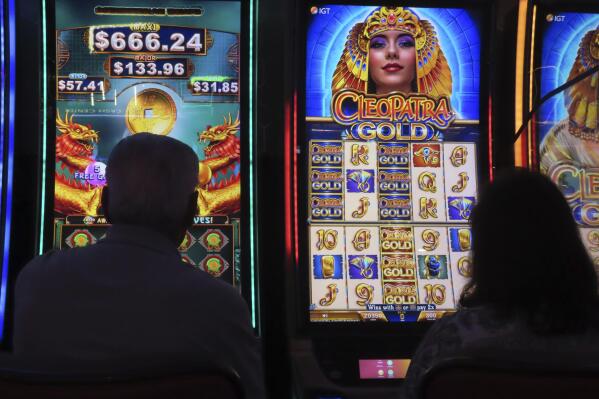
The adrenaline released during high-stakes gambling can lead to a heightened state of awareness and focus. Players often feel invincible, believing they can predict outcomes or control luck. This illusion of control, combined with the potential for high rewards, keeps players returning to the tables, even when the odds are stacked against them.
The Role of Behavior Economics in Gambling
Behavioral economics plays a critical role in understanding how individuals interact with high-stakes gambling environments. The concept of loss aversion, where individuals prefer avoiding losses rather than acquiring equivalent gains, significantly influences gambler decisions. Players may chase losses, convinced that a big win is just around the corner, which can lead to spiraling debts and compounding losses. This phenomenon is often observed in various gambling contexts.
Additionally, the framing of bets and potential winnings can affect behaviors. For instance, presenting a game as having a high probability of winning can increase participation rates, even when the odds remain unfavorable. These psychological triggers exploit cognitive biases, urging players to continue betting despite the potential for significant financial harm.
The Social Dynamics of Gambling
High-stakes casino games often feature intense social dynamics that enhance the gaming experience. The presence of other players, whether in person or online, can create a communal atmosphere that amplifies emotions and decisions. Social interactions at tables can build camaraderie and competition, making the gambling experience more appealing.
Moreover, players might leverage social validation in their decision-making processes. Winning in a social environment can provide not only financial rewards but also a sense of status and recognition among peers. This combination of social engagement and inherent competition fuels the drive to pursue higher stakes, as players seek both excitement and affirmation.
The Psychological Impact of Winning and Losing
The emotional aftermath of high-stakes gambling can be profound, affecting individuals in various and often unexpected ways. Winning can lead to a temporary euphoric state, reinforcing the desire to keep playing. However, this high is often short-lived, with many players experiencing a counterbalancing dip in mood or emotional state afterward, especially if they find themselves facing losses.
Conversely, the experience of significant losses can trigger feelings of regret, shame, and anxiety. The psychological toll of these emotions can lead to unhealthy coping mechanisms, including increased gambling as a means of escape or to regain losses. Understanding these emotional cycles is crucial for both players and those who care for them, as it highlights the need for responsible gaming practices.

Conclusion: The Complexity of High-Stakes Casino Games
Exploring the psychology behind high-stakes casino games reveals a complex interplay of thrill, risk, societal influences, and emotional consequences. The allure of these games lies not only in the financial stakes but also in the psychological landscapes they create. Players must navigate these challenges and motivations responsibly to ensure that their gambling activities remain a source of entertainment rather than a path to emotional turmoil.
As you delve into the world of high-stakes gambling, remember that understanding your motivations and the thrills can enhance your experience while helping you maintain control. The nuances of this complex environment can be fascinating, and whether you play for fun or competition, awareness of these psychological factors can contribute to a more fulfilling gambling experience.
